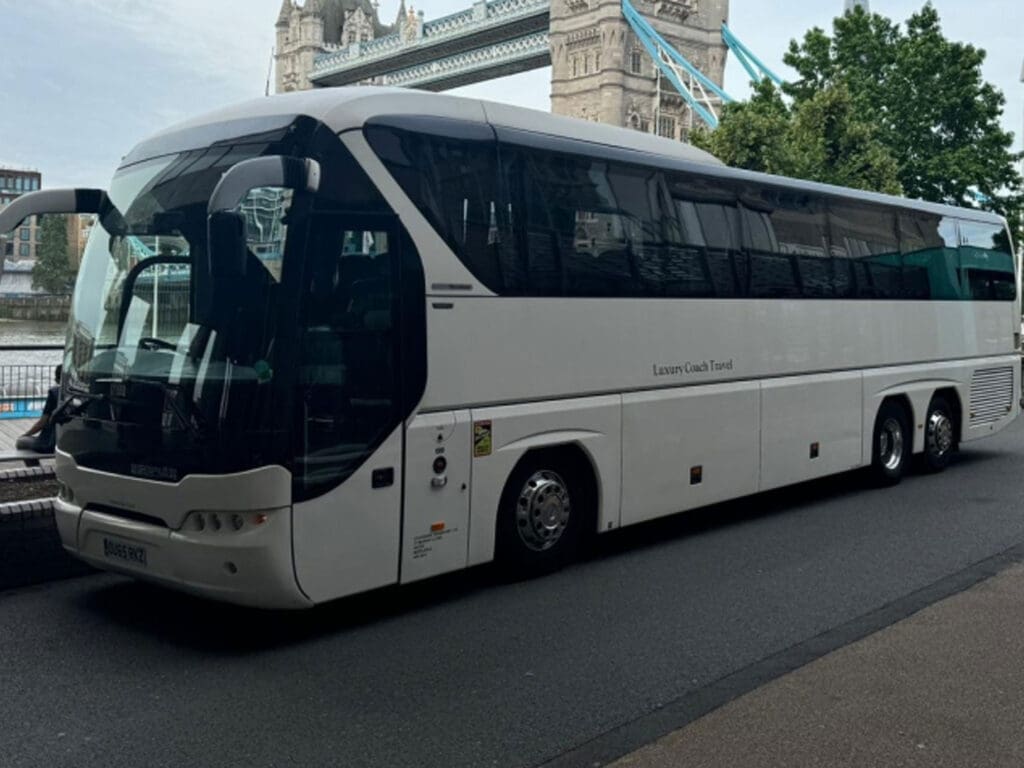
Start with a luggage brief, not a vehicle label
A coach enquiry often begins with one number: the passenger count. That is essential, but it does not describe what has to fit in the luggage space. A group travelling with one compact bag each presents a different requirement from a group with large suitcases, cabin cases and extra equipment. Before selecting a vehicle, give the operator a realistic description of the load. Confirm suitability for the actual vehicle offered, rather than relying on a general fleet category or photograph.
Count everyone and everything travelling
Include paying guests, the tour leader, guides who will travel with the group, and any other accompanying staff. Record large suitcases, smaller cases and hand luggage separately. Identify wheelchairs, walking aids, pushchairs, sports equipment, musical instruments or oversized items. Where dimensions are important, provide them. A request for “room for luggage” leaves the supplier to guess; a counted list gives the operating team something it can assess.
Use a clear example without inventing an allowance
For example, a brief might read: “30 guests and one tour leader; 31 large suitcases and 31 small bags; two folding walking aids; no additional guide travelling between hotels.” This is a description of the proposed load, not a promise that it will fit a particular coach. Ask the operator to confirm the allocated vehicle’s seating, luggage arrangement and any access requirements against that brief. Reconfirm if passenger numbers or baggage change.
Distinguish a transfer from a touring day
An airport-to-hotel transfer carries the group’s main bags. A sightseeing day from the same hotel may carry a lighter load, while a day that changes hotels carries everything again. Mark each overnight move on the itinerary. If the group leaves luggage with a hotel, obtain the hotel’s agreement and record collection arrangements. Do not assume that bags can be left with a venue or that the driver can supervise items away from the vehicle.
Allow for what the group adds during the tour
Shopping stops, gifts, event materials and extra purchases can change the load after the first day. Ask the organiser whether the group expects significant additional baggage, especially before the final airport transfer. Explain any known changes when seeking the quotation. The practical answer may involve a different vehicle or another agreed arrangement; it should be confirmed before the group arrives, with the cost and responsibility clear.
Keep airport assembly and loading in the schedule
Counting bags is also a timing task. The group needs time to collect its luggage, assemble and reach the agreed collection point. Heathrow’s official group-coach guidance asks leaders to have passengers together and ready before requesting the coach. Build loading and passenger checks into the movement plan. A scheduled landing time should not be presented as a guaranteed coach departure time.
Confirm the essentials in writing
Ask the proposal to identify the passenger load, luggage assumptions, essential accessibility features and the movements included. Where a wheelchair-accessible vehicle is required, confirm the specific requirement and allocation before booking; luggage space and passenger accessibility are separate questions. Agree how changes will be communicated and reviewed. A complete brief makes it easier to compare quotations and reduces the risk of discovering an unsuitable assumption on arrival.
Official planning resource
Heathrow: group travel by coach. Check the current arrangements for your travel dates. The remaining checklist is practical planning guidance; the operating team must review the actual vehicle, access and programme.